
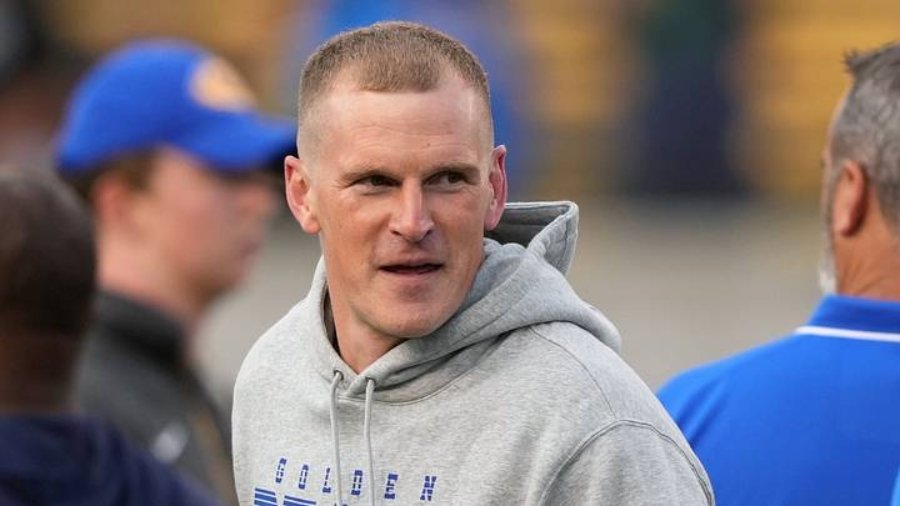
The name Pat McCann shows up in sports archives, business news, genealogy databases, and ancestry websites. But here is the important thing to know upfront: these references do not all point to the same person.
If you searched for Pat McCann and ended up confused, that is completely understandable. This article walks through who the documented Pat McCanns actually are, what public records confirm about each one, and how to responsibly evaluate any claimed connection you might find online.
Why So Many Search Results Lead to Different People?
Pat McCann is a common Irish and Irish-American name. It appears across completely different contexts — sport, business, genealogy records, and obituaries — and those references belong to separate, unrelated individuals.
For example, a 2013 Donegal News article profiles a Pat McCann who played football for Finn Harps in Ireland. A 2014 Irish Independent business article identifies a different Pat McCann as the head of Dalata Hotel Group. These are two distinct people with the same name, working in entirely different fields and time periods.
Treating all search results as one biography is a mistake that leads to inaccurate conclusions. The only reliable approach is to look at each record individually and check whether the specific details actually match.
The Pat McCann Who Played for Finn Harps
The most substantively documented Pat McCann available in public sources is an Irish-American footballer profiled by the Donegal News in 2013. The article, titled “From the Bronx to Ballybofey,” provides a clear picture of who he is and where he came from.
According to that profile, he is a fourth-generation Irish-American who grew up in the Bronx, New York. His great-grandparents emigrated from Clonmany, a small village in County Donegal, Ireland. That ancestral connection to Donegal remained meaningful across the generations in his family.
At some point, he made the decision to leave the Bronx and relocate to Donegal to trial with Finn Harps, a professional football club based in Ballybofey. He eventually signed with the club. His story is primarily about Irish-American heritage and a genuine love of football — not celebrity or fame.
It is a genuinely interesting story. A young man from New York, carrying a generations-old family tie to a specific corner of Ireland, makes the move to pursue football there. But the story stays within the world of sport and ancestry. There is no public record placing him in celebrity circles or linking him to a famous family.
Pat McCann the Business Executive — A Separate Person
A different Pat McCann appears in a 2014 Irish Independent business article about Dalata Hotel Group, an Irish hotel-management company. This article identifies a Pat McCann as the head of that organisation.
There is no available evidence connecting this individual to the Finn Harps footballer. Their careers, locations, and contexts are entirely different. Without corroborating details — such as matching ages, family information, or career timelines — these two people should be treated as separate individuals who happen to share the same name.
This distinction matters. Combining biographical details from two different people into one profile is a common error in informal online research, and it produces inaccurate results. If you are researching either of these individuals specifically, focus only on sources that clearly and directly reference the person you are looking for.
What Genealogy Databases Can and Cannot Confirm?
Platforms like MyHeritage host large collections of family trees submitted by their members. These can be genuinely useful starting points for genealogy research. But they come with an important limitation: the content is user-contributed, not independently verified.
MyHeritage’s own collection descriptions acknowledge that family tree material is submitted by members of the platform. That means anyone can add names, relationships, and dates — and those entries are not automatically checked against official records.
If you find a “Pat McCann” listed in a celebrity-linked family tree on a site like MyHeritage, that is a research lead, not a conclusion. It tells you someone believed or suggested a connection. It does not confirm that the connection is real or documented.
To move from a family-tree suggestion to a verified fact, you need corroborating evidence from independent sources. That means cross-referencing birth certificates, marriage records, census data, immigration documents, or obituaries. A single genealogy database entry — especially a user-submitted one — is not enough on its own.
Irish Ancestry Does Not Equal a Celebrity Connection
One assumption worth correcting directly: having Irish ancestry, or even having roots in a specific county like Donegal, does not establish a connection to any particular famous person or family.
The Pat McCann who played for Finn Harps is a fourth-generation Irish-American with great-grandparents from Clonmany, County Donegal. That places him within a large Irish emigrant community, not within a specific notable family. Thousands of families left County Donegal during the 19th and early 20th centuries. Shared regional origins are not evidence of a direct family relationship.
Matching surnames and counties in a family tree database requires a lot more supporting detail before any meaningful connection can be claimed. You would want to match specific names, dates, relatives, and locations — not just a shared county of origin or a common surname.
Vague phrases like “connected to the McCann family” or “related to a famous McCann” carry no factual weight unless a specific, documented link is named and sourced. Good genealogy research is precise. Approximate proximity — same surname, same county, same general time period — is not enough.
For anyone doing this kind of research, resources like OpenBusinessGoal can offer useful framing for evaluating public information and understanding the limits of online records.
How to Verify Any Claimed Pat McCann Connection?
If you have encountered the name Pat McCann in a family tree, a celebrity ancestry page, or a historical record and you want to know whether it refers to a specific person, here is a practical approach.
- Compare specific details. Location, occupation, approximate age, parents, spouse, and dates should all align across multiple independent sources — not just one database entry.
- Check whether “Pat” is a nickname. Many people named Patrick go by Pat. Make sure the full name and any variants are being searched consistently.
- Look for primary records. Birth certificates, census records, marriage certificates, immigration documents, and obituaries from independent sources carry more weight than user-submitted profiles.
- Be cautious with family-tree platforms. Treat them as starting points. Follow the leads they offer, but verify the details elsewhere before drawing conclusions.
- Label your certainty accurately. A connection is either confirmed, possible, or unverified. Do not let a family-tree suggestion automatically become a confirmed fact in your research.
What the Records Actually Show?
To put it plainly: there are several people named Pat McCann in public records, and they are not the same person.
The footballer from the Bronx has a documented story rooted in Irish-American heritage and sport. The business executive connected to Dalata Hotel Group operates in a completely different context. Other individuals with the same name appear in obituary and genealogy records with limited publicly available details.
None of the available sources establish that any Pat McCann is a close relative of a major celebrity. If such a connection were real and documented, it would appear in a verifiable primary record — not just in a user-submitted family tree.
The honest conclusion is straightforward: Pat McCann is a name shared by multiple unrelated people. The most substantively documented one in public sources is the Irish-American footballer with roots in Clonmany, County Donegal. Everything else requires careful, source-by-source verification before any further claim can responsibly be made.
When researching anyone with a common name, the goal is not to find the most interesting story — it is to find the most accurate one. That takes more patience, but it produces results you can actually rely on.
Read Also: