
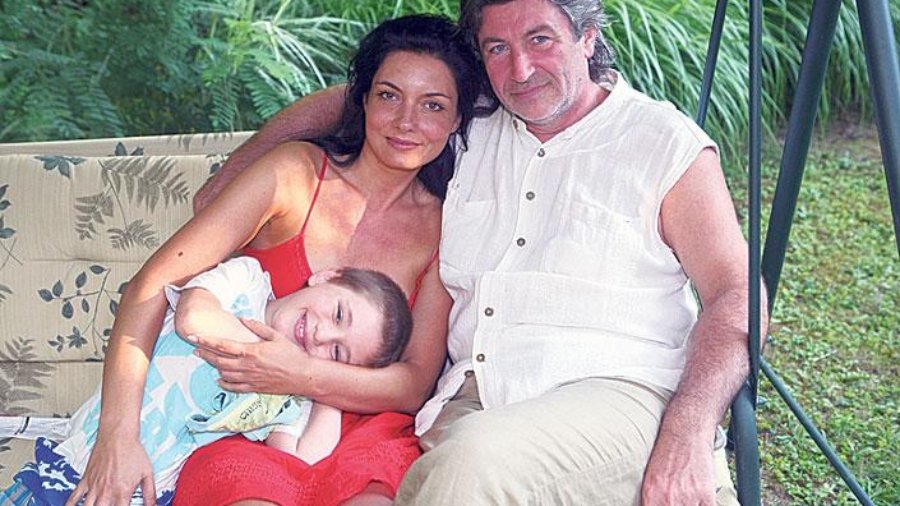
The name Somogyi Álmos Attila surfaces in certain online searches, yet public sources offer very little to explain who this person is. If you searched this name and landed here, you are probably wondering whether it belongs to a celebrity, a private individual, or perhaps a relative of someone well known.
This article walks through what can honestly be said based on available evidence. It also covers why this kind of name appears in genealogy searches, how to read family-tree records carefully, and what the name itself reveals about Hungarian heritage.
Who Is Somogyi Álmos Attila?
The honest answer is that publicly available sources do not provide a reliable biography for this exact name. There is no verified celebrity page, no official profile, and no authoritative public record indexed under Somogyi Álmos Attila that confirms who this person is or what they do.
That means the most responsible assumption is to treat this as a private individual’s name. The fact that it shows up in search results does not automatically make someone a public figure.
It is also important to note that the absence of public information does not prove or disprove any connection to a famous person. It simply means that connection cannot be verified from open sources right now.
If you encountered this name on a genealogy platform like MyHeritage, that is most likely where the trail begins. And that context matters a great deal when evaluating what you are actually looking at.
Why This Name Appears in Family-Tree Searches?
Genealogy platforms like MyHeritage allow users to build and share family trees. Those trees can include both living private individuals and well-known public figures if the user believes they are related.
When a private person appears in the same user-submitted tree as a celebrity or historical figure, search engines can index both names together. That is why a private name can suddenly appear alongside famous ones in search results.
This does not mean Somogyi Álmos Attila is famous. It means someone, at some point, placed this name within a broader family record on a shared platform.
Search engine snippets or recommendation lists that show the name appearing near a public figure are not independent evidence of a confirmed family relationship. They simply reflect how the platform’s data got indexed.
MyHeritage describes itself as a platform for family trees, historical records, and DNA-based genealogy research. All entries are user-submitted. That is a useful starting point for research, but it is not the same as a verified civil record or official document.
The Famous Person Possibly Connected to This Name
Readers searching for Somogyi Álmos Attila are often looking for the well-known figure this name might be linked to. That is a fair question. But answering it responsibly requires being clear about the evidence level.
If a genealogy record connects this name to a public figure, that relationship should be described exactly as the record states it — parent, child, sibling, or more distant relative — and labeled as genealogy-reported rather than confirmed.
A family-tree entry is a research lead, not a biographical fact. To move from “genealogy-reported” to “publicly verified,” you would need a civil record, an obituary, an archival document, or a direct statement from a named relative.
The connection may also be several generations removed, which changes how the relationship should be described. A distant ancestor listed in the same tree as a celebrity is very different from being a direct parent or sibling.
Until a credible independent source confirms the relationship, the connection remains in the unconfirmed category. That is not a dismissal. It is just an honest reading of what the evidence currently supports.
A Simple Way to Grade the Evidence
- Publicly verified: Confirmed by a civil record, news report, official document, or named family statement.
- Genealogy-reported: Appears in a family-tree database entry, but not independently confirmed.
- Unconfirmed: Suggested by search results, snippets, or recommendation lists with no document backing it up.
Keeping those three categories in mind will help you avoid building conclusions on shaky ground.
What the Name Itself Reveals About Hungarian Heritage?
Even without a full biography, the name Somogyi Álmos Attila carries real cultural weight. Each part of it points to something specific about Hungarian identity and history.
The Surname: Somogyi
“Somogyi” is a Hungarian surname derived from Somogy, a county in southwestern Hungary. Surnames like this typically indicate geographic or regional origin. Someone whose ancestors came from, lived in, or were associated with the Somogy region might carry this name.
It does not indicate noble lineage on its own. It is a relatively common Hungarian surname with regional rather than aristocratic roots.
The Given Name: Álmos
“Álmos” is a traditional Hungarian given name with significant historical weight. It is associated with a ninth-century tribal leader considered the father of Árpád, who is widely regarded as the founder of the Hungarian state.
Giving a child this name is a way of honoring Hungarian heritage and national identity. It is not uncommon in Hungary. Importantly, carrying the name Álmos does not establish or imply descent from the historical figure.
The Given Name: Attila
“Attila” is also a culturally important Hungarian given name. It references the fifth-century ruler associated with the Huns, who remains a significant figure in Hungarian national memory.
Like Álmos, Attila is a real name used by real people throughout Hungary today. Having it as a given name reflects cultural pride, not literal ancestry from that historical ruler.
So while the full name Somogyi Álmos Attila sounds historically resonant, that is a reflection of Hungarian naming traditions — nothing more should be read into it without actual documentation.
How to Read Genealogy Records Without Misreading Them?
Family-tree databases are genuinely useful tools. But they are easy to misread, especially when the name you are researching belongs to a private individual with limited public information.
Here are a few practical principles to keep in mind.
Check the spelling carefully
The Hungarian form “Álmos” includes an accent mark. Some databases may display it as “Almos” without the accent. These may refer to the same person, but you should check location, dates, and listed relatives before assuming they match. Do not merge records based on the name alone.
Do not treat a family-tree entry as a biography
A MyHeritage entry or similar platform record is a user-submitted claim. Someone typed that information in. It may be accurate, partially accurate, or completely mistaken. Always look for a supporting document before treating it as fact.
Stronger evidence looks different from weaker evidence
A birth certificate or official archive record carries real weight. A family-tree entry is a useful lead. A search-engine snippet or recommendation list is the weakest form of evidence. Work from stronger to weaker, not the other way around.
Respect privacy boundaries
If the person is a private individual, avoid publishing or seeking out personal data like addresses, precise birth dates, phone numbers, or sensitive DNA information. Genealogy research should stay within ethical limits, especially when no public interest is established.
For anyone doing deeper research on topics like this, OpenBusinessGoal covers related topics around public records, identity research, and understanding the boundaries between public and private information.
What You Can Reasonably Conclude?
Somogyi Álmos Attila is a name that carries clear Hungarian cultural identity through both its surname and its given names. Beyond that, what can be responsibly said is limited.
The name appears in genealogy-related searches, most likely because it was entered into a family-tree platform alongside other individuals. That may or may not include a connection to a public figure. Without a civil record, archival source, or verified family statement, any such connection remains genealogy-reported at best.
That is not a failure of research. It is simply an honest reflection of what the available public sources currently support. Good genealogy work starts with that kind of honesty rather than filling gaps with assumptions.
If you are researching this name for personal family reasons, the best next step is to look for primary documents — birth records, church registers, official archives — rather than relying on search results alone. Those sources give you something solid to build on.
Read Also: