
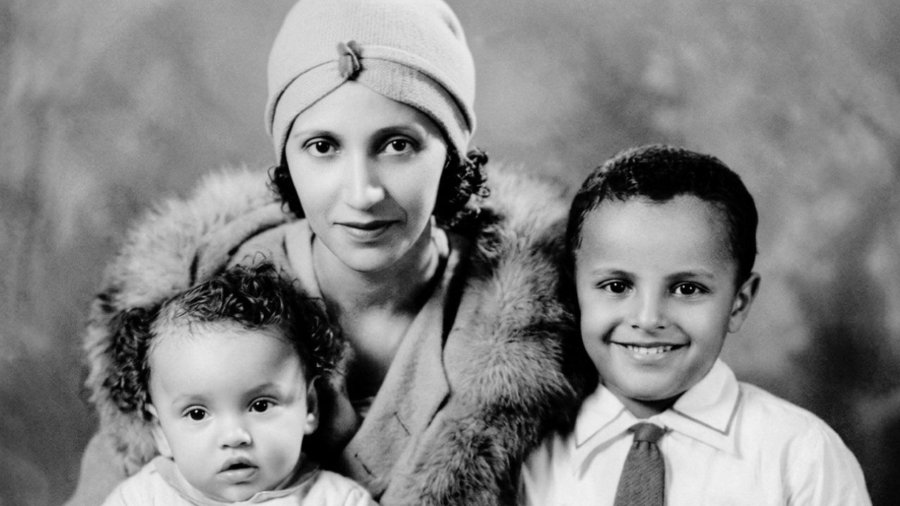
When people research Harry Belafonte’s origins, they often come across the name Melvine Bellanfanti — sometimes listed as Melvine Love — with little explanation of who she was. The name appears in genealogy records, biographical databases, and cultural statements, but rarely with much context attached to it.
This article covers who Melvine Bellanfanti was, her relationship to Harry Belafonte, her Jamaican background, her occupation, and why detailed information about her remains limited. It also explains why the names “Bellanfanti” and “Belafonte” appear in separate records and how those records connect.
Who Melvine Bellanfanti Was?
Melvine Bellanfanti was the mother of Harry Belafonte — the internationally known entertainer, singer, and civil-rights activist. She is identified in genealogy records as Jamaican by nationality and listed by occupation as a housekeeper.
Her name also appears in records as Melvine Love. According to MyHeritage, that name is listed as an alias rather than a confirmed maiden name or birth surname. Researchers should treat the “Love” surname with some caution, as the available source does not definitively confirm what it represents — whether it was a birth name, a married name from another relationship, or simply a recording variation.
Melvine was not a public figure herself. She did not have a career in entertainment, public service, or any other visible role. Her significance comes entirely from her place in Harry Belafonte’s family history and the cultural background she gave him.
Her Husband and the Family’s Caribbean Background
Melvine’s husband was Harold George Bellanfanti Sr. He is identified in sources as a chef who was born in Martinique. Melvine, by contrast, was Jamaican-born. The couple’s backgrounds spanned two different Caribbean islands, which is an important detail that is often overlooked.
Harry Belafonte was born Harold George Bellanfanti Jr. on March 1, 1927, in Harlem, New York. He was not born in Jamaica or Martinique, but his family roots in both islands shaped his identity in lasting ways.
It is worth being precise here: Harry Belafonte’s family should not be described as exclusively Jamaican. His mother was Jamaican and his father was from Martinique. Both Caribbean backgrounds are part of the documented record, and both contributed to the cultural world Harry grew up in.
The Name Bellanfanti and Why Records Can Be Confusing
One of the most common points of confusion for people researching this family is the surname. Harry Belafonte’s birth name was Harold George Bellanfanti Jr. — not Belafonte. He adopted the name Belafonte later in his public career as a stage name.
Because of that shift, records about his parents use “Bellanfanti,” which is the family’s actual surname. Someone searching for Harry Belafonte’s mother may not immediately connect that name to the entertainer they know. This explains why his parents’ names can feel unfamiliar even to people who know Harry’s life story well.
The second layer of confusion comes from Melvine’s alias. When genealogy databases list her as “Melvine Love” alongside “Melvine Bellanfanti,” it can look like two different people to an unfamiliar reader. As noted earlier, the alias is recorded without a clear explanation of its origin, so it is best not to treat “Love” as a confirmed maiden name.
Spelling variations and name discrepancies are common in records involving immigrants and Caribbean families from this era. Different countries had different record-keeping practices, and names were sometimes anglicized, abbreviated, or transcribed differently at various points in a person’s life.
Jamaica, New York, and Harry’s Early Childhood
Melvine’s Jamaican roots were not just a background detail — they directly shaped where Harry Belafonte spent part of his childhood. In 1936, Melvine returned to Jamaica with Harry and his younger brother, and the boys lived with relatives on the island for several years.
During that time in Jamaica, Harry absorbed the island’s culture, its music, and its community life. Those years are widely seen as formative in developing his deep connection to Caribbean identity and, eventually, to calypso music — the genre that would make him a household name.
The family reunited in New York in 1940. Harry’s early life was therefore genuinely split between two worlds: the Harlem he was born into and the Jamaica he spent his childhood in. That back-and-forth between the Caribbean and the United States stayed with him throughout his career.
The Jamaica Ministry of Culture has directly referenced this period in its statements about Harry Belafonte, confirming the 1936 move, the time with relatives, and the 1940 return to New York. This gives the account a degree of official documentation beyond what genealogy databases alone can provide.
Melvine’s Occupation and What It Tells Us
Melvine Bellanfanti worked as a housekeeper. Multiple sources, including biographical summaries and cultural retrospectives written after Harry Belafonte’s death in April 2023, describe her as a domestic worker. This was a common occupation for Caribbean immigrant women in New York during the early to mid-20th century.
Her work as a housekeeper reflected the economic realities many immigrant families faced in that era. It also contextualizes the family’s circumstances — Harry did not grow up in wealth or celebrity. His parents worked practical jobs in a city where Caribbean immigrants were building new lives under significant financial pressure.
Understanding this background helps explain some of the values Harry Belafonte carried into his public life. His commitment to civil rights, economic justice, and the dignity of working people was rooted in lived experience, not abstract ideals. OpenBusinessGoal covers a range of topics around family background, careers, and public figures for readers who want fuller context behind familiar names.
Why Detailed Information About Melvine Is Limited?
Melvine Bellanfanti was a private person. She was not an entertainer, a politician, or anyone who sought public attention. Most of what is known about her comes from genealogy records, Harry Belafonte’s biographical profiles, and cultural statements issued after his death.
That means there is a ceiling on what can be responsibly said about her. Her personality, her relationship with Harry in detail, her views, and many other personal aspects of her life are simply not documented in reliable public sources.
Some websites do offer additional biographical details — including a possible birth date and birthplace in Saint Ann Parish, Jamaica — but those details come from secondary sources that are not independently confirmed by primary records. This article does not present those details as established facts for that reason.
What is confirmed is straightforward: she was Jamaican-born, she worked as a housekeeper, she was married to Harold George Bellanfanti Sr. of Martinique, and she was the mother of one of the most recognized entertainers and activists of the 20th century.
A Private Woman Behind a Public Legacy
Melvine Bellanfanti lived a life that was, by any ordinary measure, private and working-class. She raised her children across two countries, moved between Jamaica and New York, and worked as a domestic worker in one of America’s most demanding cities.
She did not seek recognition, and history did not particularly seek her out. But for anyone trying to understand Harry Belafonte — where he came from, why the Caribbean mattered so deeply to him, and how a boy born in Harlem became a symbol of Jamaican cultural pride — Melvine Bellanfanti is part of the answer.
Her Jamaican roots, combined with her husband’s Martinican background, gave Harry Belafonte a genuinely Caribbean foundation. The years he spent in Jamaica as a child, under her decision to return there in 1936, left a mark on him that lasted a lifetime. That is not a small thing, even if it comes from a woman whose name appears in only a handful of records.
Read Also: