
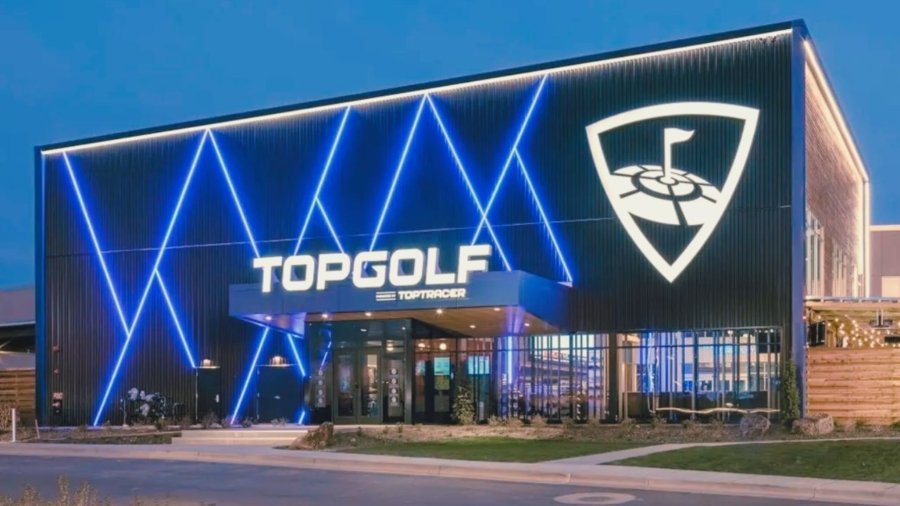
Rumors that Topgolf is going out of business have spread fast online. But the real story is more specific — and far less dramatic — than a full shutdown.
This article covers what is actually happening: whether Topgolf is closing locations, what the 2025–2026 ownership deal really means, why layoffs and a sale are not the same thing, and what customers should expect going forward.
The Short Answer — Topgolf Is Not Closing
No verified reports confirm nationwide Topgolf location closures. No bankruptcy filing exists on record. The business is still operating.
What actually happened is a corporate ownership change — not a shutdown. Sources including CoStar and Sports Business Journal point to a restructuring and sale process, not liquidation.
If you have a reservation at a Topgolf venue or visit one regularly, there is no credible evidence suggesting the doors are about to close. The confusion comes from mixing up two very different things: a company changing ownership versus a company going out of business.
What Topgolf Callaway Actually Did in 2025–2026
Here is the core event that triggered most of the “going out of business” talk.
Topgolf Callaway Brands agreed to sell a 60% stake in Topgolf to private equity firm Leonard Green & Partners. The deal was valued at approximately $1.1 billion, according to CoStar reporting.
Callaway planned to keep a minority stake in Topgolf after the transaction. That means Callaway did not walk away entirely — it retained a piece of the business.
The reason behind the deal was strategic. Callaway wanted to refocus on its golf equipment and related brands. Topgolf, as an entertainment venue business, was a different kind of operation. Separating the two made sense from a business standpoint — but it does not mean Topgolf disappears.
According to Sports Business Journal, Topgolf Callaway leadership said the company was “100 percent committed” to a sale or spin-off. As of earlier 2025 reporting, they were still evaluating both options and targeting a 2026 transaction. So the process was active, but not necessarily finalized depending on when you’re reading this.
The Difference Between a Sale, a Spin-Off, and a Shutdown
This is where a lot of the confusion comes from. These three terms get used interchangeably online, but they mean completely different things.
A Shutdown
A shutdown means the business stops operating. Locations close. Employees lose jobs. Customers can no longer visit. This is what “going out of business” actually means — and this is not what is happening with Topgolf.
A Sale
A sale means ownership transfers to a new buyer while the business keeps running. Think of a restaurant chain being sold to new owners. Every location stays open. Staff keep working. Customers keep eating. Nothing on the surface changes. That is much closer to what is happening with Topgolf.
A Spin-Off
A spin-off means one part of a company is separated into its own independent business. Instead of Topgolf being part of Callaway, it would become its own standalone company. It does not disappear — it just operates under different ownership or structure.
From a customer’s point of view, none of this is visible. Someone booking a bay, ordering food and drinks, or showing up for a corporate event during a corporate transaction would notice absolutely nothing different. Ownership changes happen at the business level, not at the venue level.
The bottom line: ownership changes can look alarming from the outside, especially when combined with news about layoffs or stock performance. But they do not equal closure.
Why Layoffs Made the Situation Look Worse Than It Was
On top of the sale news, Topgolf Callaway made layoffs in 2025 as part of cost management. Yahoo Finance reported on those cuts, and they added fuel to the “company is failing” narrative.
But layoffs and business closure are not the same thing.
Companies restructuring before or during a sale often cut costs deliberately. It can make the business more attractive to buyers. It can also reflect a shift in how the company is organized — fewer corporate roles, tighter overhead, leaner operations.
A company can lay off corporate staff and simultaneously keep every single one of its public venues fully open and staffed. Those are two different layers of the business.
The problem is that layoffs combined with sale news created a pattern that looked like collapse to anyone reading headlines quickly. Both events happened in the same window of time, so it was easy to connect them and assume the worst. But the two events had different causes and different outcomes.
Layoffs are evidence of cost reduction. They are not proof of liquidation or imminent closure.
Why People Started Saying Topgolf Was Going Out of Business
Understanding where a rumor comes from helps you evaluate it better — and this one has a clear origin.
Several things happened around the same time:
- Topgolf Callaway’s stock performance came under pressure
- The company announced it was exploring a sale or spin-off of Topgolf
- Layoffs were reported in 2025
- YouTube commentary and social media posts picked up the story and framed it as decline or collapse
Each of these pieces is real. But the interpretation — that Topgolf is “going out of business” — jumps past what the evidence actually shows.
Forbes noted Callaway’s weaker market performance and reported on plans to spin off Topgolf as a separate entity. That reporting, read quickly, can sound like the brand is in serious trouble. But separating a business unit into its own company is a normal corporate strategy — not a death sentence.
Social media amplifies the most dramatic version of any story. “Major company restructures ownership” is less shareable than “Topgolf is going out of business.” So the dramatic version spreads, even when it is not accurate.
What This Means for Customers Right Now
If you are a regular Topgolf customer, here is what the available evidence actually suggests you should expect:
- Venues remain open. No credible source reports location closures as part of this transaction.
- Reservations should be honored. A corporate sale does not cancel customer bookings or disrupt day-to-day operations.
- The brand is not disappearing. Whether Topgolf ends up under Leonard Green & Partners or becomes a standalone spun-off company, the business is expected to continue operating.
- Some things may change over time. New ownership sometimes brings new pricing, promotions, or operational decisions. But those changes would come over months, not as a sudden closure.
The honest answer is that no one outside of the deal negotiations can say exactly what Topgolf looks like in two years. But the current evidence points toward continuation under new ownership — not shutdown.
For anyone researching business changes like this, Open Business Goal covers ownership transitions, restructuring, and what they mean for businesses and consumers in plain terms.
Final Takeaway
Topgolf is not going out of business based on what the available evidence shows. What is happening is a significant ownership transition — a majority stake sold to a private equity firm, a company refocusing its core brand, and cost-cutting that looks dramatic from the outside but does not signal closure.
The gap between “company restructuring” and “company shutting down” is large. Headlines and social media tend to collapse that gap. Reading the actual reporting carefully tells a different story.
If you are planning a visit or have a booking, there is no credible reason to cancel based on current information. Watch for official statements from Topgolf directly if you want the most up-to-date picture of how the ownership transition unfolds.